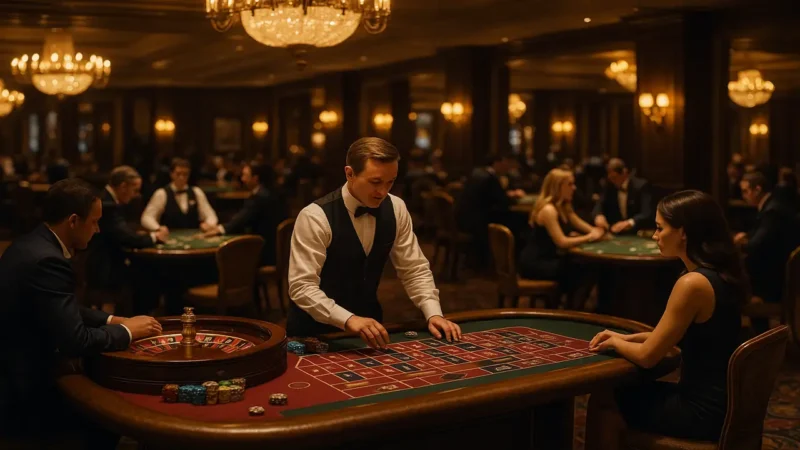
Casinos are built around entertainment, excitement, and the thrill of risk, but behind the flashing lights and spinning reels lies a well-defined code of conduct. Gambling etiquette is not just about manners—it directly affects your experience, interactions with staff and players, and even your long-term success as a casino guest. Whether you are entering a land-based casino for the first time or joining a live dealer table online, understanding how to behave properly protects you from unnecessary conflicts and helps you blend seamlessly into the casino environment.
In recent years, with the growth of international casino tourism and live-streamed gaming, etiquette has become more standardized worldwide. What was once considered informal behavior is now often regulated by casino policy, surveillance practices, and responsible gambling frameworks.
Why Gambling Etiquette Matters
Gambling etiquette serves several important purposes at once:
- It maintains order and fairness at the tables
- It protects the comfort of all players
- It allows dealers to perform efficiently
- It reduces disputes and misunderstandings
- It reflects professionalism and self-control
Casinos handle thousands of transactions per hour. Even minor disruptions can slow game flow, compromise fairness, or lead to disputes over payouts. That is why rules of conduct are strictly enforced both in physical casinos and live online environments.
According to industry reports from regulated gaming jurisdictions, over 70% of casino conflicts originate from behavioral issues rather than rule misunderstandings. Most of these situations are entirely avoidable through basic etiquette.
Basic Casino Behavior Rules
Dress Code Awareness
While many modern casinos adopt a relaxed dress code, certain standards still apply:
- Nightclubs and VIP lounges require smart casual or formal wear
- Beach casinos and cruise casinos may allow casual attire
- Slippers, swimwear, or visibly damaged clothing are often prohibited
Dressing appropriately sets the tone before you even approach a table.
Respect for Staff and Dealers
Dealers are professionals trained to operate games precisely and fairly. Treating them with impatience, sarcasm, or aggression is one of the fastest ways to attract unwanted attention from casino security.
Good practice includes:
- Clear communication
- Polite tone of voice
- Patience during game pauses
- No personal criticism
Tipping the dealer is customary in many countries, though not mandatory everywhere.
Awareness of Surveillance
Every casino is monitored by high-definition surveillance, behavior analysis software, and pit bosses. Improper conduct is not private—it is documented.
Understanding this often helps players remain disciplined and controlled.
Table Game Etiquette
Blackjack Behavior
Blackjack tables follow some of the strictest etiquette standards:
- Do not touch your cards in shoe-dealt games
- Use hand signals rather than verbal commands
- Never place side bets after cards are dealt
- Avoid advising other players unless invited
Interfering with another player’s decisions is one of the most common sources of tension at blackjack tables.
Roulette Conduct
At roulette tables:
- Do not touch chips after the dealer announces “no more bets”
- Avoid hovering hands over the table
- Stack chips cleanly in designated areas
- Never argue with the dealer’s spin results
Roulette etiquette exists mainly to prevent payout disputes.
Poker Room Etiquette
Poker is as much social as technical. Key rules include:
- Do not reveal your cards prematurely
- Avoid discussing hands during play
- Keep chips visible at all times
- Act in turn
Angle shooting—using borderline tactics to confuse opponents—is viewed as unethical across most poker communities.
Slot Machine Etiquette
Though slots appear simple, etiquette still applies:
- Do not disturb occupied machines
- Avoid playing on multiple machines simultaneously
- Do not sit at a machine without playing
- Respect reserved chairs in high-traffic zones
Progressive jackpot areas often enforce stricter supervision due to the size of potential payouts.
Casino Chip and Buy-In Etiquette
Proper handling of chips avoids delays and financial confusion.
Best Practices for Buying In
- Exchange cash for chips only during betting pauses
- Place bills flat on the table
- Never hand money directly to the dealer
- Wait for the dealer to announce your amount
Handling Chips Properly
- Stack chips neatly
- Keep denomination groups separate
- Avoid splashing the pot
- Do not palm chips
These habits protect both players and casino accounting accuracy.
Alcohol, Emotions, and Self-Control
Casinos offer complimentary alcohol, but intoxicated behavior is the leading cause of player removal worldwide.
Responsible conduct includes:
- Drinking in moderation
- Avoiding emotional betting
- Not blaming players or dealers for losses
- Taking breaks after continuous losses
Statistical data from multiple gaming commissions shows that players who combine alcohol with high-stakes betting are three times more likely to trigger security intervention.
Using Mobile Phones at Casino Tables
Most table games strictly limit phone usage due to:
- Protection against signaling
- Prevention of recording
- Avoidance of payout manipulation
Phones are typically allowed in:
- Slot machine zones
- Casino lounges
- Sportsbook areas
Always follow posted signage and dealer instructions.
Online and Live Casino Etiquette
With the expansion of live dealer gambling, etiquette now applies digitally as well.
Live Dealer Conduct
- Avoid offensive language in chat
- Do not spam messages
- Respect dealer pacing
- Avoid accusing platforms of manipulation
All live chats are moderated and archived.
Fair Play Expectations
Abusive language, collusion, or bonus exploitation often results in immediate account suspension under responsible gaming agreements.
Courtesy Toward Other Players
Casino etiquette is not only about rules—it is also about atmosphere.
Good player behavior includes:
- Avoid celebrating others’ losses
- Do not mock losing streaks
- Respect personal space
- Keep conversations neutral
Play styles differ. Some players are recreational, others are analytical. Conflict usually arises when one group attempts to dominate the experience of the other.
Photography and Video Restrictions
Taking photos inside casinos is usually prohibited due to:
- Privacy concerns
- Anti-fraud protocols
- Security layout protection
Even tourists must seek permission before capturing any images in most jurisdictions.
Cultural Differences in Gambling Etiquette
Casino behavior norms vary slightly by region:
| Region | Key Behavioral Expectation |
|---|---|
| United States | Strong tipping culture |
| Europe | Formal dealer interaction |
| Asia | High respect for superstition |
| Middle East | Strict conduct regulations |
Adapting to regional standards prevents misunderstandings and offense.
Common Etiquette Mistakes New Players Make
- Touching chips after betting closes
- Distracting the dealer mid-hand
- Criticizing other players’ decisions
- Relying on superstition during payouts
- Misunderstanding buy-in timing
These errors rarely lead to penalties but often result in social tension.
Practical Etiquette Checklist Before You Play
- Know the game rules in advance
- Observe the table for a few minutes
- Confirm betting limits
- Ask the dealer questions before betting
- Keep emotions separate from decisions
Preparation is the simplest form of etiquette.
Gambling Etiquette and Responsible Gaming
Modern casinos integrate etiquette directly into responsible gambling frameworks:
- Behavioral monitoring systems
- Stress level detection
- Self-exclusion triggers
- Cooling-off policies
Being respectful at the table often aligns naturally with responsible gaming behavior.
Why Proper Etiquette Improves Long-Term Results
Good behavior does not change probabilities, but it does influence:
- Dealer cooperation
- Payout efficiency
- Dispute resolution
- Player career longevity
Many professional gamblers emphasize that discipline at the table begins with discipline in behavior. Calm, structured conduct reduces impulsive losses and enhances strategic focus.